ECHOES OF ECOWAS SUMMIT
- Governance Politics Politics & Governance
admin
- 0
- 20 minutes read
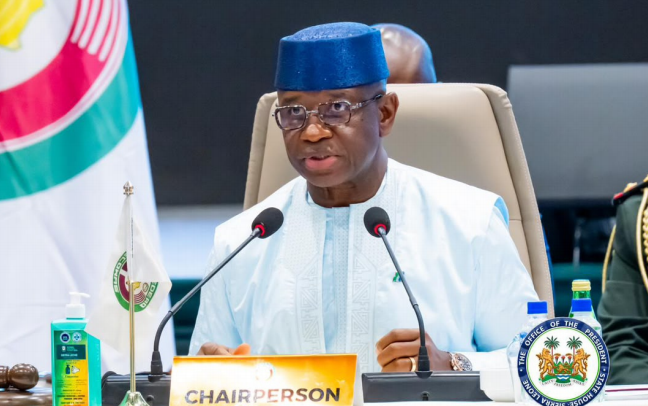
Hosting the 39th ECOWAS Mid-Year Summit, like every other thing of public interest, generated conversations. Talks arose over the propriety when, the group argues, the secretariat in Abuja might have been more suitable; and whether the cost of the infrastructure built for the Summit was not inflated. Without questioning the legitimacy of these conversations, we report how we witnessed the historic event unfolded.
“Praise be to God!” (Alhamdulilah) screamed Mahmud Conteh, an Imam of a small mosque at the Maisolla neighborhood of Lungi where the Summit was held. Like many of his overjoyed community members, Conteh remembers vividly how Lungi was the aerial epicentre of the eleven-year war few decades earlier. For Lungi, as well as Sierra Leone, and by extension, the rest of West Africa, that contributed to restore peace to Sierra Leone, the Summit was an emotional dramatic turnaround.
The hosting of the 39th Mid-Year Summit of the Economic Community of West African States (ECOWAS) Authority of Heads of State and Government by the Republic of Sierra Leone on the 18 and 19 July 2026 stands as one of the most defining moments in the country’s diplomatic history. More than a routine gathering of regional leaders, the Summit represented a celebration of West African solidarity, democratic governance, peace, regional security and economic integration.
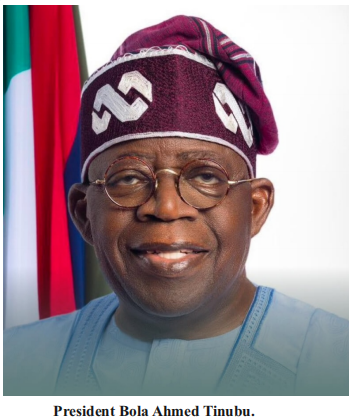
It also marked the culmination of Sierra Leone’s tenure at the helm of ECOWAS under the chairmanship of President Julius Maada Bio whose leadership over the preceding year had steered the regional organisation through a period characterised by political uncertainty, constitutional challenges in some member states, growing security threats in the Sahel, and persistent economic pressures affecting the sub-region.
According to a euphoric President Bio, hosting the Summit was a profound affirmation of the country’s transformation from a nation once devastated by civil conflict into a respected voice on continental and regional affairs. Two decades after the end of its brutal civil war, Sierra Leone welcomed Presidents, Prime Ministers, Foreign Ministers, Commissioners, diplomats, development partners and representatives of international organisations to Lungi, a town that had itself undergone remarkable physical transformation in preparation for the event.
Equally, the inauguration of the ECOWAS Logistics Depot and the Julius Maada Bio International Conference Centre (JMBICC) on the eve of the Summit represented tangible symbols of Sierra Leone’s contribution to the future of ECOWAS. These landmark facilities were not merely constructed to host a single event; they were conceived as long-term investments that would enhance regional cooperation, facilitate peace support operations, and position Sierra Leone as a preferred destination for international diplomacy and conference tourism.
President Bio described the facility as a testament to the collective commitment of member states to ensuring that West Africa remains prepared to respond swiftly and effectively to emerging crises. He observed that regional integration is not sustained solely through treaties and declarations but through practical institutions capable of delivering meaningful assistance when circumstances demand.
The choice of Sierra Leone as the host country carried considerable symbolic significance. Once a recipient of international peacekeeping assistance during its own civil conflict, Sierra Leone has evolved into an active contributor to regional peace and security initiatives. For Sierra Leone, the depot is expected to generate long-term economic and institutional benefits. It creates employment opportunities, strengthens local logistics and transport industries, attracts technical expertise and increases the country’s strategic relevance within regional security architecture. The presence of such a facility also reinforces Sierra Leone’s image as a trusted partner in advancing peace, stability and humanitarian cooperation across West Africa.
Similarly, standing prominently in Lungi is another remarkable achievement that will define Sierra Leone’s diplomatic landscape for decades to come – the Julius Maada Bio International Conference Centre (JMBICC). Constructed specifically to host high-level international meetings, the centre was officially inaugurated immediately before the commencement of the ECOWAS Summit.
The conference centre represents far more than a modern building. It embodies Sierra Leone’s ambition to become a recognised destination for international conferences, diplomatic engagements and investment forums. For many years, the absence of a purpose-built convention facility had limited the country’s ability to compete for major regional and international events. Although Freetown possesses several meeting venues, none had the scale, technology or security features required to host gatherings involving multiple Heads of State and Government. Every aspect of the complex reflects international conference standards designed to facilitate productive diplomatic engagement.
Speaking during the commissioning ceremony, President Bio emphasised that the centre symbolises confidence in Sierra Leone’s future. He noted that modern infrastructure not only attracts international events but also demonstrates national readiness to engage meaningfully with the global community. The President stressed that the facility belongs not merely to Sierra Leone but to West Africa as a whole, providing a permanent venue for dialogue, cooperation and regional integration.
The successful organisation of the 39th ECOWAS Mid-Year Summit was the result of months of meticulous planning involving virtually every arm of Government. Recognising the significance of the event, President Bio directed the establishment of a National Organising Committee composed of representatives from key ministries, departments and agencies responsible for diplomacy, security, finance, transport, health, information, protocol and infrastructure.
The Committee worked in close collaboration with the ECOWAS Commission to ensure that every aspect of the Summit met international standards. Detailed planning covered protocol arrangements, accommodation, transportation, accreditation, interpretation services, media operations, security coordination and emergency preparedness. Advance teams from member states conducted inspection visits to assess facilities and coordinate logistical requirements for their respective delegations.
The success of every summit of Heads of State and Government is often measured by the quality of the decisions reached at the highest political level. Yet such decisions are only possible because of extensive technical and administrative work undertaken long before Presidents and Prime Ministers gather around the conference table. The 39th ECOWAS Mid-Year Summit, hosted by Sierra Leone from 18 to 19 July 2026, was no exception. Before the arrival of the region’s leaders in Lungi, hundreds of officials from across the ECOWAS Commission, member states and specialised institutions had spent several days examining financial, administrative and policy matters that would ultimately shape the agenda of the Authority of Heads of State and Government.
The period between 12 and 14 July 2026 therefore represented a critical stage in the Summit process. During these three days, the 39th Meeting of the ECOWAS Administration and Finance Committee (AFC) convened at the newly completed Julius Maada Bio International Conference Centre, bringing together senior officials responsible for finance, administration, institutional governance and strategic planning. Their deliberations laid the administrative foundation upon which the political decisions of the Summit would later be built.
The Committee examines how ECOWAS institutions utilise community resources, evaluates the implementation of approved programmes, assesses budgetary priorities and ensures that the organisation remains financially sustainable while responding to the evolving needs of the region. Given the increasingly complex challenges confronting West Africa — including insecurity, humanitarian crises, economic instability and climate change — the work of the Committee has become increasingly significant in ensuring that limited resources are allocated strategically and transparently.
As technical meetings concluded, Lungi began welcoming official delegations from across West Africa. Beginning on 16 July and continuing through 18 July, presidential aircraft carrying Heads of State, Foreign Ministers, senior government officials and diplomatic teams arrived at Freetown International Airport in carefully coordinated succession.
For Sierra Leone, the arrival of these delegations carried considerable symbolic significance. Images of presidential aircraft bearing the flags of ECOWAS member states reinforced the country’s growing prominence within regional diplomacy. The airport, recently upgraded in preparation for the Summit, became the principal gateway through which West African leaders entered a country determined to demonstrate its capacity for hosting major international events.
On the morning of 18 July 2026, the Julius Maada Bio International Conference Centre hosted its first major diplomatic event as Heads of State and Government assembled for the official opening of the 39th ECOWAS Mid-Year Summit.
The opening ceremony commenced with the ECOWAS anthem, followed by cultural performances celebrating the unity and shared aspirations of West Africa. Messages of goodwill from senior ECOWAS officials emphasised the importance of dialogue, solidarity and collective responsibility in addressing the region’s challenges.
The inauguration of the Summit also symbolised the official commencement of deliberations that would determine the future direction of ECOWAS across a range of strategic priorities, including constitutional governance, regional security, economic integration, infrastructure development, youth employment and institutional reform.
Focus of President Julius Maada Bio’s Address (A Call for Unity and Renewal)
As outgoing Chairman of the ECOWAS Authority of Heads of State and Government, President Julius Maada Bio delivered the principal address of the opening session. His speech represented both a reflection upon the achievements of his tenure and a strategic assessment of the challenges confronting West Africa.
President Bio began by welcoming fellow Heads of State and Government to Sierra Leone, expressing gratitude for their confidence in the country’s ability to host the Summit. He observed that the gathering demonstrated the enduring strength of regional solidarity despite the numerous political, economic and security pressures affecting the Community.
Reflecting upon his tenure as Chairman, President Bio acknowledged that the preceding year had been among the most challenging periods in ECOWAS’ recent history. Several member states continued to confront constitutional crises, while terrorism and violent extremism threatened peace and stability across large sections of the Sahel. Economic recovery following global disruptions remained uneven, with inflation, food insecurity and rising public debt affecting millions of citizens throughout the region.
Despite these difficulties, President Bio argued that ECOWAS had demonstrated resilience by maintaining dialogue, promoting peaceful conflict resolution and preserving its commitment to democratic governance. He emphasised that constitutional order remains the cornerstone upon which regional peace, development and prosperity depend.
A recurring theme throughout his address was the concept of collective responsibility. President Bio reminded delegates that no member state could successfully confront modern security threats in isolation. Terrorism, organised crime, illicit arms trafficking, cybercrime and climate-related disasters transcend national borders and therefore require coordinated regional responses. He urged member states to strengthen intelligence sharing, enhance joint security operations and invest in institutions capable of preventing rather than merely responding to crises.
Turning to economic integration, President Bio stressed that the original vision of ECOWAS remains as relevant today as it was at the organisation’s founding in 1975. He called for renewed efforts to remove barriers to intra-regional trade, improve transport connectivity, accelerate implementation of the ECOWAS Trade Liberalisation Scheme and expand opportunities for private sector investment. Economic integration, he argued, represents not merely a policy objective but a practical necessity for improving the lives of ordinary West Africans.
The President devoted particular attention to the region’s young people. “With one of the world’s youngest populations, West Africa possesses enormous human potential. However, without sufficient investment in education, skills development, digital innovation and employment creation, this demographic advantage risks becoming a source of instability.” President Bio therefore urged member states to place youth empowerment at the centre of national and regional development strategies.
Another important aspect of his speech concerned institutional reform within ECOWAS itself. President Bio acknowledged that changing regional realities require the Community to adapt continuously. He encouraged member states to strengthen ECOWAS institutions, improve administrative efficiency and ensure that regional policies produce measurable benefits for citizens.
The commissioning of the ECOWAS Logistics Depot and the Julius Maada Bio International Conference Centre featured prominently within his remarks as practical demonstrations of Sierra Leone’s commitment to regional integration. Rather than presenting them as national achievements alone, President Bio described the facilities as shared regional assets designed “to serve all member states in advancing peace, cooperation and development.”
Perhaps the most compelling section of his address focused on the importance of preserving unity during periods of disagreement. Acknowledging that differences among member states are inevitable, President Bio cautioned against allowing political divisions to undermine the broader objectives of regional integration. He reminded delegates that the strength of ECOWAS has always rested upon dialogue, mutual respect and the willingness to seek common solutions even in the face of difficult challenges.
Concluding his address, President Bio expressed confidence in the future of ECOWAS despite the uncertainties confronting the region. He urged leaders to remain steadfast in defending democratic values, promoting inclusive development and strengthening regional solidarity for the benefit of present and future generations.
His closing remarks received sustained applause from delegates, reflecting broad appreciation for his leadership during a particularly demanding period in the Community’s history.
By the end of the opening session, it had become evident that the 39th ECOWAS Mid-Year Summit would not simply review past achievements but would chart a strategic course for the organisation’s future. The deliberations that followed built upon the themes articulated in President Bio’s address, reaffirming the central role of ECOWAS in promoting peace, democracy and sustainable development across West Africa.
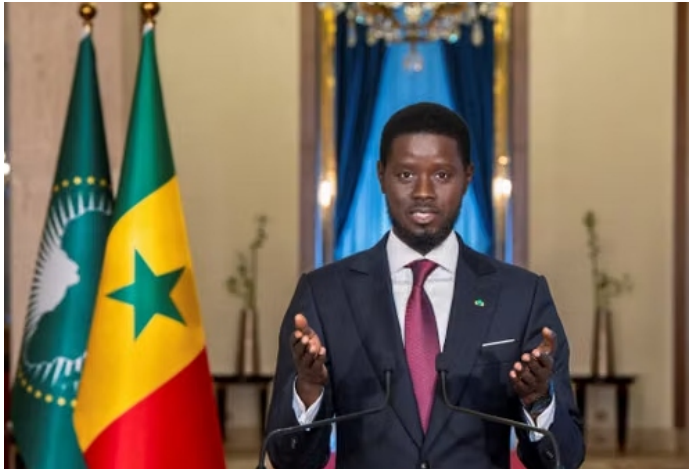
There was a significant transition in the leadership of the regional bloc as Senegal’s President, Bassirou Diomaye Faye, assumed the chairmanship of the Authority of Heads of State and Government, succeeding Sierra Leone’s President Julius Maada Bio. The summit also featured a landmark address by the President of the ECOWAS Commission, Dr. Omar Alieu Touray, who reflected on the Commission’s achievements and the challenges confronting West Africa.
In his acceptance speech as the new ECOWAS Chairman, President Faye expressed gratitude to his fellow Heads of State for entrusting him with the responsibility of leading the regional organisation at a critical period in its history. He pledged to work closely with all member states to strengthen regional solidarity and advance the vision of an integrated, peaceful, and prosperous West Africa.
President Faye acknowledged that ECOWAS continues to face complex challenges, including insecurity, terrorism, political instability, economic pressures, and the need to restore confidence in regional institutions. He stressed that dialogue, cooperation, and mutual respect must remain the foundation of the organisation’s efforts to address these issues.
The Senegalese leader also called for renewed commitment to regional economic integration through increased intra-African trade, improved transport and energy infrastructure, and the removal of barriers that hinder the free movement of people and goods. According to him, these measures are essential for creating jobs, attracting investment, and improving the living standards of millions of West Africans.
President Faye further highlighted the importance of investing in young people and women, describing them as key drivers of the region’s future development. He urged member states to expand opportunities in education, entrepreneurship, innovation, and skills development while strengthening democratic governance and promoting lasting peace across the sub-region.
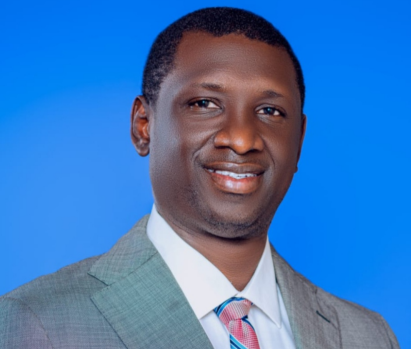
Earlier, Dr. Omar Alieu Touray, President of the ECOWAS Commission, presented his report to the Authority, reflecting on the progress made during his tenure and outlining the organisation’s priorities. He noted that ECOWAS had navigated one of the most challenging periods in its history, characterised by unconstitutional changes of government, terrorism, humanitarian crises, economic shocks, and evolving geopolitical dynamics.
Despite these challenges, Dr. Touray said the Commission had continued implementing reforms to improve institutional efficiency, transparency, and accountability while advancing regional integration. He highlighted progress in peace and security initiatives, trade facilitation, infrastructure development, energy cooperation, and efforts to strengthen democratic institutions across member states.
The Commission President reaffirmed that regional cooperation remains the most effective means of addressing shared challenges such as climate change, food insecurity, organised crime, and youth unemployment. He urged member states to remain united and committed to the ideals upon which ECOWAS was founded nearly five decades ago.
Dr. Touray concluded by expressing confidence that the organisation would continue to evolve under the leadership of President Bassirou Diomaye Faye. He called on leaders to place the interests of West African citizens at the centre of their decisions, emphasising that peace, stability, democracy, and economic integration remain essential for sustainable development.
The Lungi Summit concluded with renewed commitments to strengthening regional cooperation and advancing policies aimed at improving security, governance, economic growth, and the welfare of the people of West Africa, reinforcing ECOWAS’ role as the region’s leading institution for integration and collective progress.
Participating at the Summit, United Nations Deputy Secretary-General Amina Mohammed commended President Bio for undertaking remarkable investment in national infrastructure that simultaneously advances regional integration. “On behalf of the United Nations, we congratulate President Bio for his leadership in addressing climate change, conflict and the challenges confronting West Africa,” she noted, adding that the UN can always be counted upon to support the region.
Chairman of the ECOWAS Business Council (EBC), Africa’s richest man Aliko Dangote also delivered a statement, sharing experience with delegates at the Summit.