APC Comeback Under Review
- Politics Politics & Governance
admin
- 0
- 9 minutes read

By Newday Political Desk
As Sierra Leone approaches the 2028 general elections, the All People’s Congress (APC) is, according to its officials, undergoing internal reforms, rebuilding its membership base, and positioning itself as a viable alternative to the ruling SLPP.
While the APC continues to enjoy its party strong grassroots support, it still faces critical challenges—such as internal divisions, public disillusionment drawing from electoral system uncertainties; still struggling to push the June 2023 losses behind them. Both party and political analysts opine that the party’s success in 2028 will depend on disciplined strategy, unified leadership, policy clarity, and effective voter mobilization.
Preparing to reclaim power after being out of government since 2018, it stands to gain – as it’s usually the gracious fortunes of the opposition – from the socio-economic climate; characterized by inflation, unemployment, and public dissatisfaction with existing governance system. More often than not, this stagnant political reality usually creates significant electoral opportunities for the opposition.
However, competitive elections in Sierra Leone are shaped heavily by regional loyalties, party cohesion, electoral-system rules, public trust in institutions including the ever-scarce campaign financing; with elections being no sympathizer to the frugal.
Nevertheless, the APC’s internal reforms, leadership restructuring, membership digitization, and manifesto development are major steps toward consolidating its base and restoring credibility.
While widespread frustration with economic hardship provides a conducive environment for opposition messages promising job creation, improved governance, cost-of-living relief, voter apathy and attractions to inducements largely in the confines of the incumbent powers will likely checkmate.
Then, of course, still tagging the APC’s vast supporters is the concerns about electoral fairness, credibility of results, and transparency mechanisms. Institutional mistrust remains a key challenge, affecting both the APC and the country at large.
Political observers are emphatic that though the APC retains solid support in the Northern Province and most parts of the Western Area – Urban and Rural – to win in 2028, it must expand meaningfully instead of taking those supports for granted since the urban swing districts in the Western Area are not always predictable due to a number of reasons; especially less indoctrination and more of liberalization.
The APC already opposes certain electoral changes it deems unfavorable — especially expansions of proportional representation (PR) — arguing these weaken accountability. Consequently, its future strategy must account for the system ultimately adopted.
A western diplomat who spoke to the Newday Magazine on conditions of anonymity notes that, as development partners, they want a vibrant opposition to sustain democratic growth in Sierra Leone, pointing out that, subsequently, the APC has to, among other things, enhance election preparedness and monitoring, expand the Independent Elections Monitoring Committee (IEMOC) with trained observers nationwide and deploy a parallel vote-tabulation system (PVT) to ensure rapid and credible vote tallying.
Other advices he gave include to avoid inflammatory language about unrest; instead, emphasize peaceful firmness and rule-of-law approaches, strengthen legal teams for rapid response to electoral disputes, communication and public image, rebrand the APC as forward-looking, youthful, and solutions-driven party.
Continuing, he added that the use of evidence-based messaging, not just criticisms of the incumbent, highlight accomplished APC personalities who embody integrity and national unity, prioritize community visits, door-to-door campaigns, “and town hall meetings and not rallies alone”, he concluded.
The APC Sprinters
APC is in the process of choosing its next flagbearer — that is, its presidential candidate. This internal contest is more than just a naming exercise; it will shape the APC’s strategy, cohesion, and ability to challenge the ruling Sierra Leone People’s Party (SLPP). Several notable figures have declared or are widely reported to be interested, representing a cross-section of generational, ideological, and regional interests within the party.
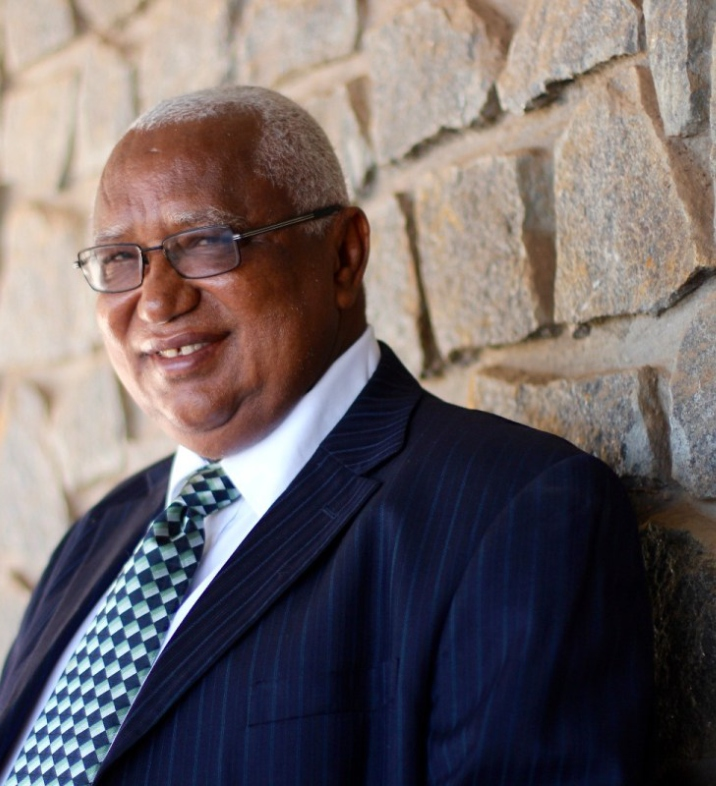

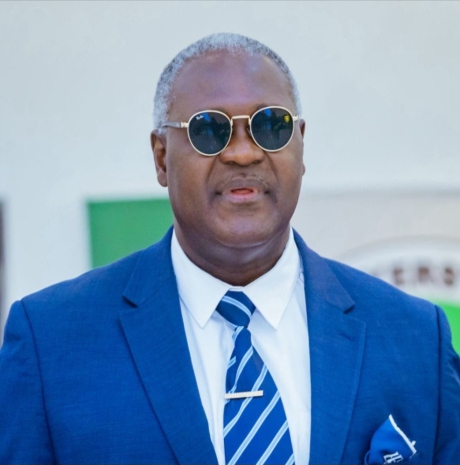
In recent months, the APC also announced stricter criteria for presidential aspirants, underscoring its commitment to “competent, credible, and loyal” leadership. These reforms will likely influence who is able to make a serious bid.
The APC’s new set of guidelines to vet presidential aspirants in preparation for the 2028 general elections, communicated through an internal party document, aims to ensure that the party puts forward the “most competent, credible, and loyal aspirants” for the nation’s highest office.
The APC’s new guidelines for presidential aspirants, according to its secretariat, represent a significant shift towards a more rigorous selection process, reflecting the party’s dedication to ensuring that future candidates are not only capable but also committed to the ideals of the party and the nation. As the 2028 elections approach, the implications of this structured vetting could reshape the landscape of party politics in Sierra Leone.
Below, the leading contenders, their backgrounds, strengths, and what they bring to the 2028 race are explored as dispassionately as possible.
Mohamed Omodu “Jagaban” Kamara
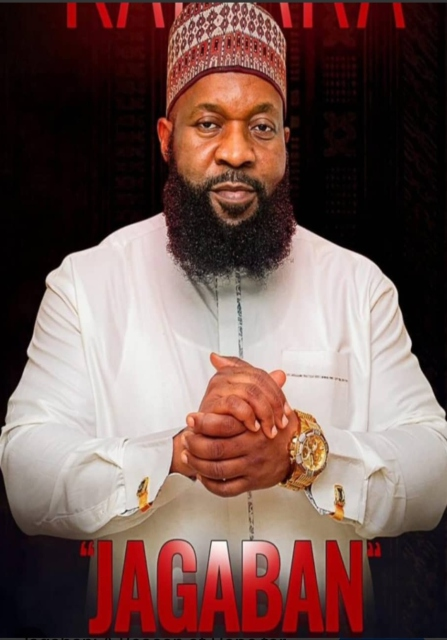
Perhaps the most prominent rising star in the APC’s 2028 flagbearer contest, Mohamed Omodu Kamara, widely known by his nickname Jagaban, has formally declared his candidacy and he’s going about it like a storm. Jagaban is an entrepreneur and philanthropist, with strong grassroots appeal.
Unlike many traditional politicians, his strength lies not in holding past top government office, but in his connection to ordinary Sierra Leoneans, his business success, and his capacity to fund and lead social initiatives.
He has drawn considerable support across region; for instance, his campaign is not limited to one geographical stronghold, which may give him structural advantages. In one striking policy move, he recently announced a deal with a Chinese company to bring 16 modern 60-seater buses to Sierra Leone, pitching it as part of his vision for infrastructure and economic revival. This will be an addition to a tree-cycle assembly plant he began preparation earlier in the outskirt of the capital Freetown.
Grassroots Appeal, according to several of his supporters, remains his major strength and this category of party loyalists are quick to assert that Jagaban leads in popularity among APC leadership contenders. Not known to boast of academic laurels, the party’s grassroots skeptical of the academic elite of the party are also jostling for his victory.
Read more in the full magazine