A Trophy Won, Lost and Rewritten Inside CAF’s Senegal–Morocco Saga
- Entertainment Society Sports
admin
- 0
- 9 minutes read
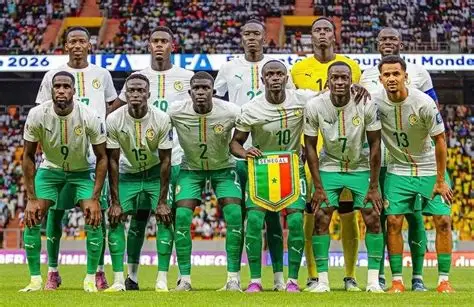
In African football, drama rarely stays confined to the pitch. Yet even by the standards of the continent’s governing body, the Confederation of African Football (CAF), the recent controversy surrounding Senegal and Morocco has been extraordinary; a tournament decided, a trophy awarded, and then—amid protests, legal appeals, and political pressure—effectively reversed. The episode has exposed deep tensions within African football governance, reignited debates over refereeing standards, and raised uncomfortable questions about fairness, influence, and credibility.
It was the night of triumph when Senegal lifted the trophy, it seemed like a defining moment for a team long considered one of Africa’s most talented but occasionally underachieving sides. The final—against a technically gifted Moroccan squad—was billed as a clash of styles; Senegal’s physical intensity and pace against Morocco’s structured buildup and tactical discipline.
The match itself delivered on its promise. Senegal struck first, capitalizing on a defensive lapse, while Morocco responded with sustained pressure and intricate passing sequences. By the final whistle, Senegal had secured a narrow victory, sparking celebrations among players and fans alike.
Images of jubilation spread quickly across Dakar and beyond. For Senegalese supporters, it was more than a win—it was validation of years of investment in youth development and international competitiveness.
But even before the celebrations had subsided, controversy was brewing.
Morocco’s football federation wasted little time in lodging a formal complaint with CAF. At the heart of their protest were several contentious refereeing decisions that, they argued, had directly influenced the outcome of the match.
A disputed goal allowed for Senegal despite claims of a foul in the buildup, a penalty appeal for Morocco that was waved away and questions over the use—or non-use—of VAR in critical moments were issues behind the controversy.
Moroccan officials framed their protest not merely as dissatisfaction, but as a matter of principle. They argued that the integrity of the competition had been compromised and that the final result could not stand without review.
The protest quickly gained traction beyond administrative circles. Moroccan media outlets ran extensive analyses of the disputed moments, while fans took to social media to demand justice.
CAF, already under scrutiny in recent years over governance and transparency issues, found itself in a difficult position. On one hand, overturning a final result is one of the most drastic actions a governing body can take—rare and fraught with consequences. On the other, ignoring Morocco’s claims risked further damaging its credibility.
Initially, CAF appeared to stand by the result. Officials emphasized the finality of refereeing decisions and the importance of respecting outcomes on the field. Senegal remained officially recognized as champions.
But behind the scenes, the situation was evolving. Reports began to emerge of internal reviews, consultations with refereeing experts, and even external pressure from influential football stakeholders. The issue was no longer just about one match—it had become a test of CAF’s authority and legitimacy.
In a stunning development, CAF announced that it would revisit the final. The decision marked a dramatic shift and signaled that Morocco’s protest had found traction at the highest levels. What followed was a complex and controversial process. Rather than simply annulling the result, CAF explored multiple options.
Ordering a replay of the final, stripping Senegal of the title without awarding it to Morocco or upholding the result but issuing sanctions or acknowledgments of officiating errors were all considered.
Ultimately, CAF opted for a partial reversal—effectively nullifying the original outcome and calling for a resolution that would involve replaying or re-adjudicating the match under revised conditions.
The decision sent shockwaves across African football. For Senegal, the reversal felt like an injustice of its own. Players and officials expressed disbelief that a victory earned on the pitch could be taken away through administrative processes.
Responding, Senegal’s football federation issued strong statements defending the legitimacy of the win, arguing that “refereeing decisions are part of the game, there was no evidence of bias or misconduct and overturning the result would set a dangerous precedent.”
Fans echoed these sentiments, with many viewing the reversal as a politically motivated decision rather than a purely sporting one. In Dakar, what had been celebrations turned into protests—not against the team, but against CAF.
While Morocco’s camp welcomed CAF’s willingness to revisit the result, the outcome was not an outright victory for them either. The absence of an immediate reassignment of the trophy meant that uncertainty persisted.
Still, Moroccan officials framed the decision as a step toward justice. They emphasized that their goal had always been to ensure fairness, not merely to claim the title. Yet even within Morocco, some observers questioned whether the prolonged dispute risked overshadowing the team’s performances on the field.
Beyond the immediate dispute, the saga has highlighted deeper structural issues within CAF. The controversy has reignited longstanding concerns about officiating quality in African competitions. Inconsistent use of VAR, lack of transparency in decision-making, and limited accountability for referees have all come under scrutiny.
CAF’s handling of the situation—perceived by some as reactive and opaque—has raised questions about its decision-making processes. Critics argue that clearer rules and more transparent procedures could have prevented the crisis from escalating.
Perhaps most controversially, the episode has fueled speculation about political and regional dynamics influencing football decisions. While no concrete evidence has been presented, the perception alone is damaging.
Amid the administrative battles, it is the players who have borne much of the emotional toll. For Senegal’s squad, the uncertainty surrounding their achievement has cast a shadow over what should have been a career highlight. For Morocco’s players, the sense of unfinished business lingers.
Footballers train for years for moments like these. To have the outcome questioned—and potentially rewritten—adds a layer of complexity that few are prepared for. As of now, the situation remains fluid. CAF faces the challenge of implementing a resolution that is seen as fair, credible, and final.
Possible scenarios towards a final resolution would include a replayed final under stricter officiating protocols, a negotiated settlement between the federations and further appeals to international bodies, potentially including the Court of Arbitration for Sport (CAS).
Each option carries risks. A replay could deepen divisions; a negotiated settlement might be seen as unsatisfactory; and legal battles could drag on for months or even years.
The Senegal–Morocco saga may ultimately be remembered as a turning point for African football governance. At stake is more than a single trophy. The credibility of competitions, the trust of fans, and the reputation of CAF itself are all on the line.
For a continent rich in footballing talent and passion, the hope is that this controversy leads to meaningful reform—clearer rules, better officiating, and more transparent decision-making.
This is because while trophies can be lifted, lost, and even reassigned, trust—once broken—is far harder to restore. In the end, the question is not just who won the final, but whether African football can emerge stronger from the fallout.
By Our Team of Sports Correspondents