APC Disengages from Governance
- Governance Politics & Governance
admin
- 0
- 7 minutes read
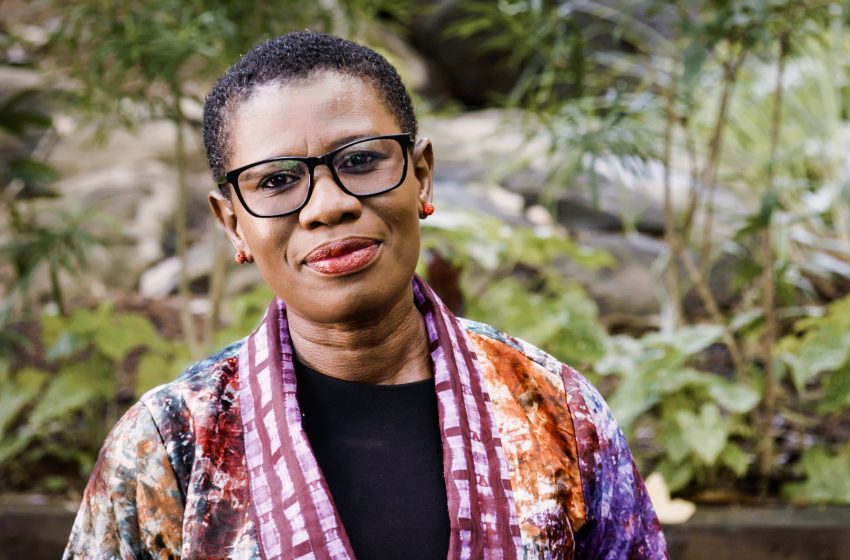
Yvonne Aki-Sawyerr speaks at the Countdown Global Launch 2020. October 10, 2020. Photo courtesy of TED.
By Our Political Correspondents
A deepening political standoff is unfolding in Sierra Leone as the opposition All People’s Congress (APC) continues its boycott of governance institutions, withdrawing its elected officials from Parliament, local councils, and other state functions in protest against recent electoral decisions.
The move, which began in late February 2026, has intensified tensions between the APC and the ruling Sierra Leone People’s Party (SLPP), raising concerns among political observers about the implications for democratic governance, accountability, and national cohesion.
The APC’s decision to disengage from governance stems primarily from its opposition to the appointment of Edmond Sylvester Alpha as Chief Electoral Commissioner of the Electoral Commission for Sierra Leone. The party argues that the appointment undermines ongoing electoral reform efforts and violates the spirit of agreements reached following the disputed 2023 general elections.
In a strongly worded statement, the APC warned that proceeding with the appointment without implementing key constitutional reforms—particularly those recommended by the Tripartite Committee—would erode trust in Sierra Leone’s electoral system. The party subsequently instructed all its elected representatives, including Members of Parliament (MPs), mayors, and councillors to withdraw from official duties nationwide.
Parliamentary Minority Leader Abdul Kargbo has defended the boycott as a lawful and strategic political action intended to compel dialogue and ensure transparency in the electoral process. He emphasized that the move is rooted in concerns about the credibility of future elections, especially the 2028 polls.
The boycott has had immediate and visible effects across Sierra Leone’s governance structures. In Parliament, APC MPs have largely absented themselves from sittings, leaving legislative proceedings to be dominated by SLPP lawmakers, Paramount Chief representatives, and a small number of dissenting APC members.
At the local government level, the impact has been particularly noticeable. In Freetown, the absence of Mayor Yvonne Aki-Sawyerr—who is aligned with the APC boycott—led SLPP councillors to appoint an acting mayor to ensure continuity in city administration. This development underscores the extent to which the boycott has disrupted municipal governance, especially in opposition strongholds.
The boycott has also affected national dialogue processes. Efforts by the Electoral Commission to engage political stakeholders ahead of the 2028 elections have been hampered by the APC’s absence, casting doubt on the inclusivity of ongoing consultations.
The government has downplayed the impact of the boycott, insisting that governance and service delivery remain uninterrupted. Chief Minister David Moinina Sengeh recently stated that the administration would not wait for the opposition to participate, asserting that “governance is in full progress.”
According to government officials, Parliament continues to function effectively, with legislative business proceeding as scheduled. The administration has also emphasized its commitment to maintaining public services and implementing development programs despite the political impasse.
However, the government has also issued subtle criticisms of the boycott, suggesting that opposition officials are neglecting their responsibilities to citizens. Calls have been made by parliamentary leadership for APC MPs to return to their seats and resume their legislative duties in the interest of national development.
Analysts warn that the prolonged boycott could have far-reaching consequences for Sierra Leone’s democratic system. As one of the country’s two dominant political parties, the APC plays a critical role in ensuring checks and balances within government.
Its absence from governance institutions risks weakening oversight mechanisms and reducing the diversity of political representation in decision-making processes. This could, in turn, lead to increased polarization and diminished public confidence in state institutions.
Furthermore, the standoff highlights broader challenges in Sierra Leone’s post-election reconciliation efforts. The Tripartite Committee, established to address disputes arising from the 2023 elections, was intended to foster consensus on electoral reforms. The current crisis suggests that key issues remain unresolved, particularly regarding the independence and credibility of the electoral body.
Public opinion on the boycott appears divided. Some APC supporters view the move as a necessary stand against perceived electoral injustice, arguing that participation in governance under contested conditions would legitimize flawed processes.
Others, however, have expressed concern about the practical consequences of the boycott, particularly its impact on service delivery and local governance. In areas where APC officials hold key positions, their absence has created administrative gaps and uncertainty about leadership.
Civil society organizations and political commentators have called for dialogue and compromise, warning that prolonged political deadlock could undermine national stability. There are also concerns that the situation could escalate if not addressed through constructive engagement between the parties.
As the boycott continues, attention is increasingly turning to potential pathways for resolution. The APC has indicated that it remains open to dialogue, provided that its concerns about electoral reforms and institutional integrity are addressed.
Meanwhile, the government has signaled its willingness to proceed with governance irrespective of opposition participation, raising the possibility of a prolonged standoff.
The weeks ahead are likely to be critical in determining whether both sides can find common ground. With the 2028 general elections on the horizon, the stakes are high for ensuring a credible and inclusive electoral process.
APC party chieftain Dr. Kaifala Marrah recently appeared in a viral social media video at a party gathering outlining the party’s grievances, especially regarding the implementation – or lack – of the Tripartite Agreement between the APC party, the SLPP government and the international mediators.
For now, Sierra Leone finds itself at a crossroads, with the APC’s boycott serving as both a symptom of unresolved political tensions and a test of the resilience of the country’s democratic institutions.